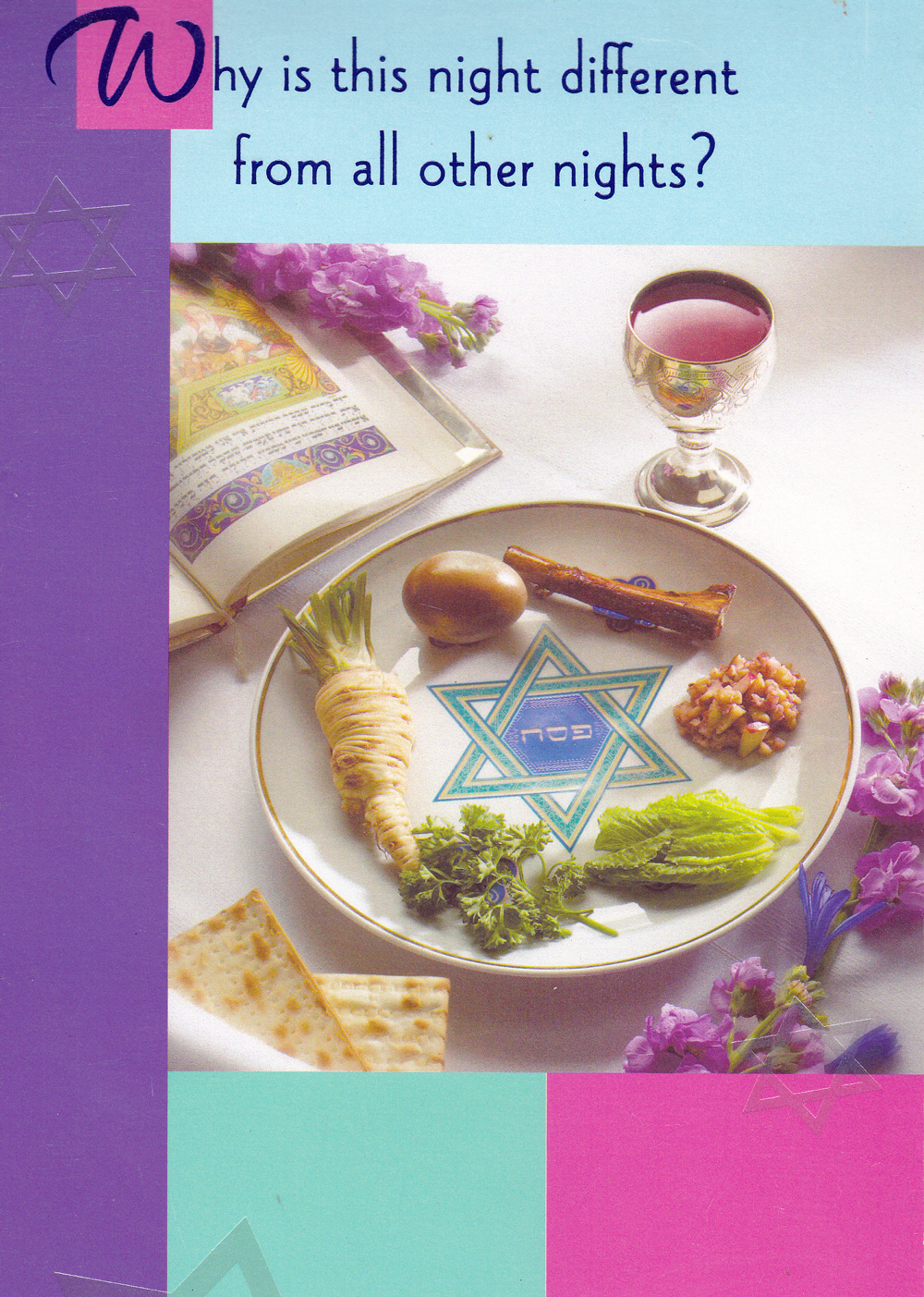
We will learn about the Passover. The Lamb is the sacrifice for the Passover meal. The passover meal allows the Jewish Hebrews to be free.
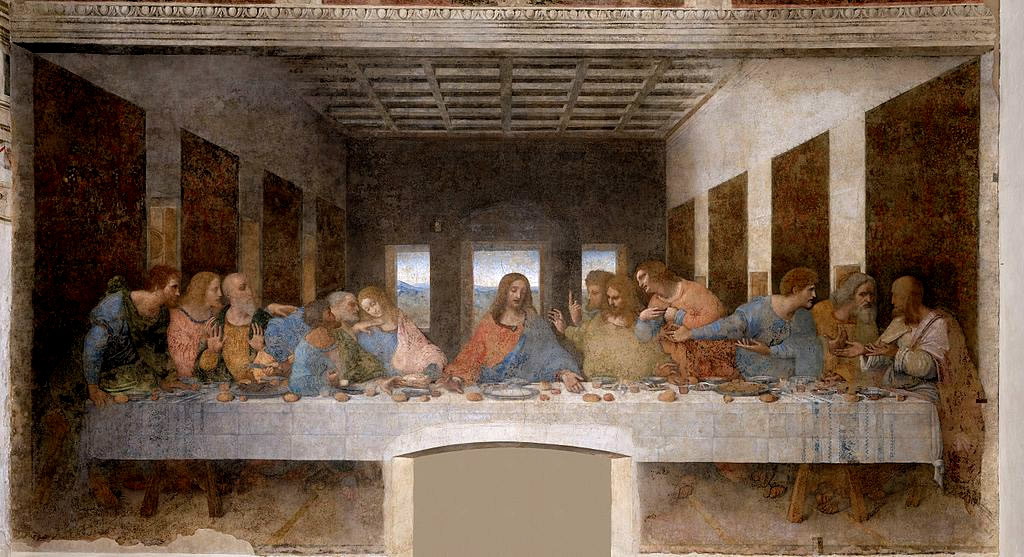
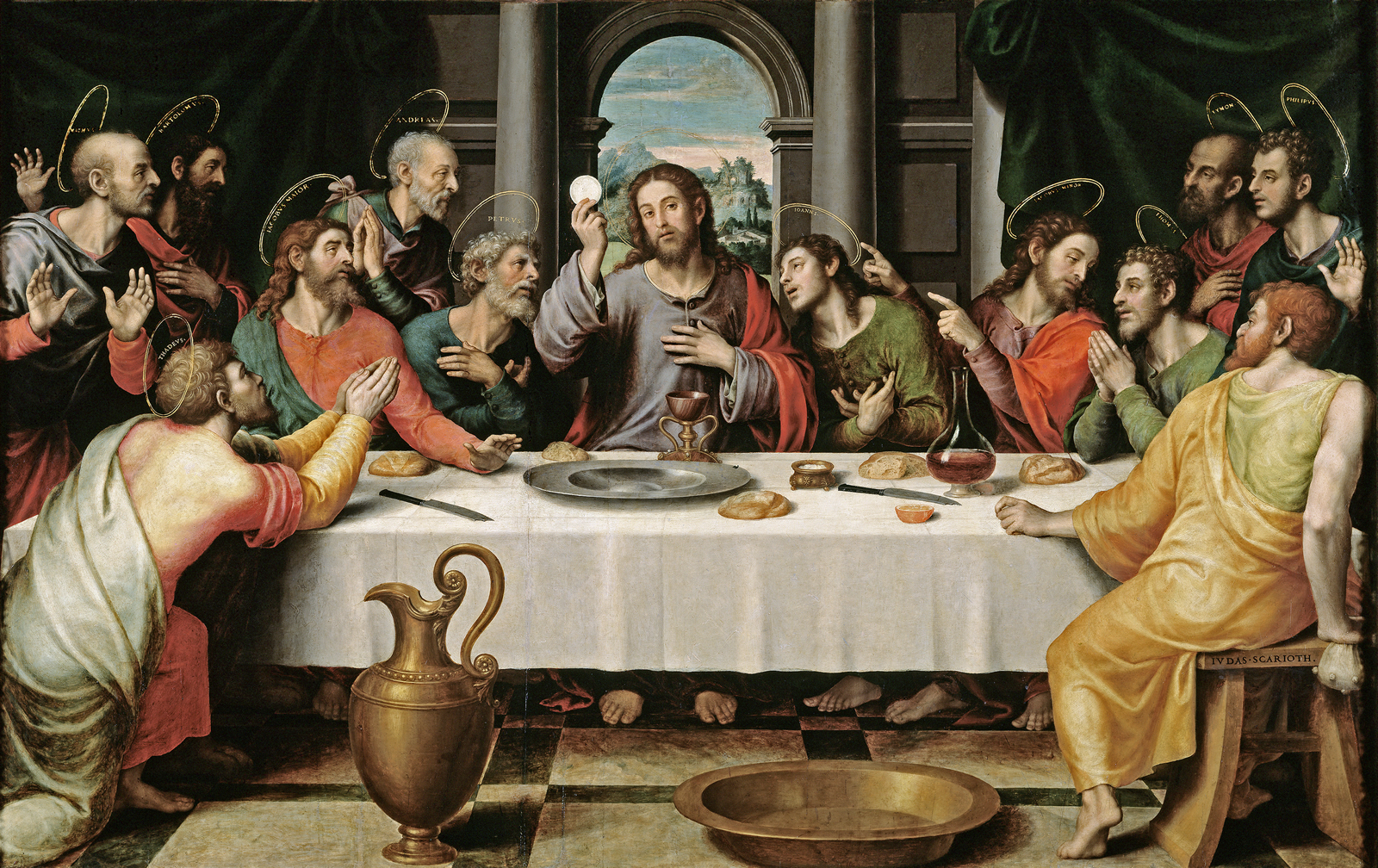
Jesus celebrated the last supper during the Feast of the Passover. We call Jesus the “Lamb of God.” Is Jesus the sacrifice for our sins? Does Jesus allow us to be free? Free from what?
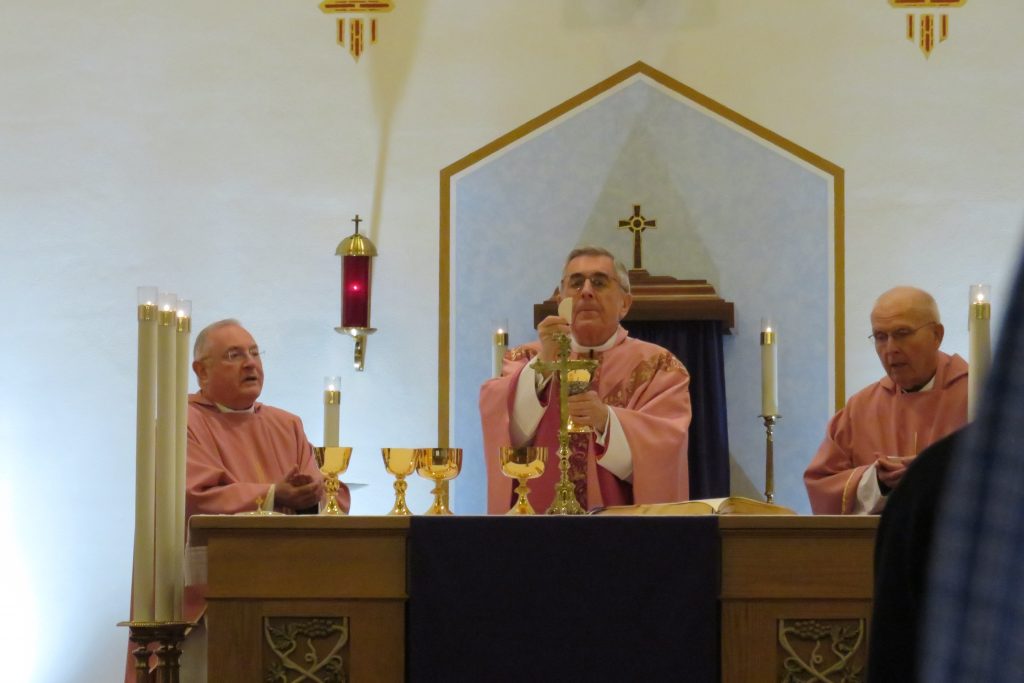
During Mass we celebrate the Eucharist. The unleavened bread that is offered up. In the Mass there are many prayers and ceremonies that are from the Jewish Passover meal .
“Blest are We” grade 4 page 263 bottom of page: “Eucharist”
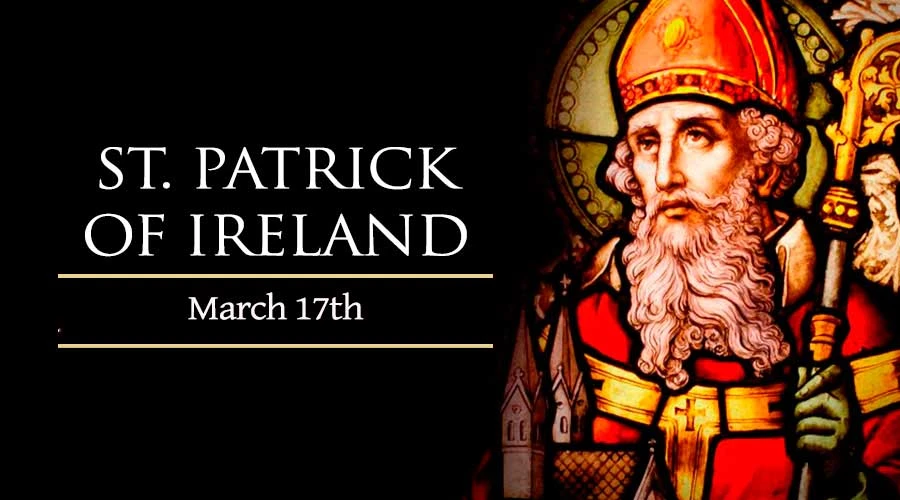
On March 17, Catholics celebrate St. Patrick, the fifth century bishop and patron of Ireland, whose life of holiness set the example for many of the Church’s future saints.
St. Patrick is said to have been born around 389 AD in Britain. Captured by Irish raiders when he was about 16, St. Patrick was taken as a slave to Ireland where he lived for six years as a shepherd before escaping and returning to his home.
At home, he studied the Christian faith at monastic settlements in Italy and in what is now modern-day France. He was ordained a deacon by the Bishop of Auxerre, France around the year 418 AD and ordained a bishop in 432 AD.
It was around this time when that he was assigned to minister to the small, Christian communities in Ireland who lacked a central authority and were isolated from one another.
When St. Patrick returned to Ireland, he was able to use his knowledge of Irish culture that he gained during his years of captivity. Using the traditions and symbols of the Celtic people, he explained Christianity in a way that made sense to the Irish and was thus very successful in converting the natives.
The shamrock, which St. Patrick used to explain the Holy Trinity, is a symbol that has become synonymous with Irish Catholic culture.
Although St. Patrick’s Day is widely known and celebrated every March the world over, various folklore and legend that surround the saint can make it difficult to determine fact from fiction.
Legends falsely site him as the man who drove away snakes during his ministry despite the climate and location of Ireland, which have never allowed snakes to inhabit the area.
St. Patrick is most revered not for what he drove away from Ireland, but flor what he brought, and the foundation he built for the generations of Christians who followed him.
Although not the first missionary to the country, he is widely regarded as the most successful. The life of sacrifice, prayer and fasting has laid the foundation for the many saints that the small island was home to following his missionary work.
To this day, he continues to be revered as one of the most beloved Saints of Ireland.
In March of 2011, the Irish bishops’ conference marked their patron’s feast by remembering him as “pioneer in an inhospitable climate.”
As the Church in Ireland faces her own recent difficulties following clerical scandals, comfort can be found in the plight of St. Patrick, the bishops said.
They quoted The Confession of St. Patrick, which reads: “May it never befall me to be separated by my God from his people whom he has won in this most remote land. I pray God that he gives me perseverance, and that he will deign that I should be a faithful witness for his sake right up to the time of my passing.”
Still going over questions of God and our relation to Him
Old Testament Reading about the instructions to Moses from Mt. Sinai for 40 days and 40 nights Ex 34:28, 10 Commandments, Day of Rest (Ex 34:21), Sanctuary Curtain Ex 26:31, Sanctuary Lamp Ex 27:20 (Hanukkah), Altar Ex 27:1, Offering Ex 29:10, Bull for Sin Lev 5
Offering Sacrifice: an act of offering to God something precious, Such as animal
As a tribute to God, a burnt offering was entirely burnt on the altar, symbolizing total commitment or surrender to God. This is in contrast to other forms of sacrifice (entitled zevach or zevach shelamim), which was partly burnt and most of it eaten in communion at a sacrificial meal.
Jesus is our communion, he is the sacrifice on the cross. See in the Old Testament, how Jesus fulfilled the offering for sin
You must make “your offering” (Leviticus 1:2), meaning you can’t offer something that belongs to someone else.
You must offer an animal that is a “male without blemish” (v. 3).
You must make the offering of your “own voluntary will” (v. 3).
You must first bring your offering to “the door of the tabernacle,” which tabernacle represents the place where God dwells (v. 3).
You must put your hand on the head of the sacrificial animal and then kill it yourself
The priests lay the “head,” “fat,” “inward” organs, and the “legs” on the altar (v. 8–9).
Lenten Lessons by Father Rocky, (our Church and Mass):
The raising of Lazarus, the longest continuous narrative in John outside of the passion account, is the climax of the signs. It leads directly to the decision of the Sanhedrin to kill Jesus. The theme of life predominates. Lazarus is a token of the real life that Jesus dead and raised will give to all who believe in him. This story’s irony is found in the fact that Jesus’ gift of life leads to his own death.
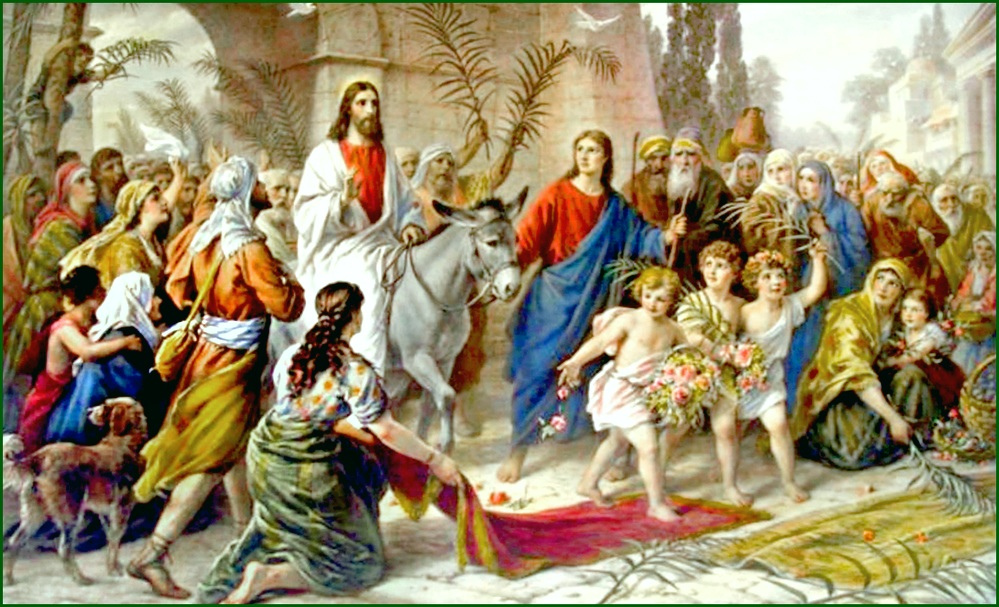
Jesus Prepares for the Last Passover: Jesus enters into Jerusalem with Palms and Hosanna, Jesus explains His role in our salvation.
Jesus cried out and said, “Whoever believes in me believes not only in me but also in the one who sent me, and whoever sees me sees the one who sent me. I came into the world as light, so that everyone who believes in me might not remain in darkness. And if anyone hears my words and does not observe them, I do not condemn him, for I did not come to condemn the world but to save the world. Whoever rejects me and does not accept my words has something to judge him: the word that I spoke, it will condemn him on the last day, because I did not speak on my own, but the Father who sent me commanded me what to say and speak. And I know that his commandment is eternal life. So what I say, I say as the Father told me.” John 12: 44-50
Loving Jesus, Holy Spirit, Ask in The Father’s name:
Jesus answered and said to him, “Whoever loves me will keep my word, and my Father will love him, and we will come to him and make our dwelling with him. John 14:23